





End of U.S. De Minimis: What 3PL Customers Must Know
Understanding how the elimination of the de minimis exemption impacts supply chains, cross-border trade, and 3PL strategies in North America.
What Is the De Minimis Exemption and Why Did It End?
On August 29, 2025, the United States eliminated the de minimis exemption, which previously allowed shipments valued under 800 dollars to enter duty-free with minimal paperwork. This change affects all imports, regardless of country of origin. For years, retailers and e-commerce platforms relied on this exemption to move low-value goods into the U.S. quickly and cost-effectively. Its removal represents a fundamental shift that raises costs, increases compliance requirements, and reshapes fulfillment strategies.
As a logistics partner to companies worldwide, at Gebrüder Weiss we understand how significant this development is for 3PL customers. We are already working with many of our customers to adjust supply chain strategies, manage compliance requirements, and ensure business continuity.
U.S. lawmakers and regulators expressed concerns that the de minimis exemption had become a loophole. It allowed companies, particularly overseas e-commerce platforms, to ship large volumes of small parcels without paying duties or facing close scrutiny. Concerns about counterfeit goods, safety standards, and tariff evasion accelerated calls for reform. While Congress originally set a repeal date for 2027, policymakers advanced the timeline. As a result, businesses must adjust immediately.
At Gebrüder Weiss, we have seen similar regulatory shifts in other global markets. Our experience shows that companies that adapt quickly gain a long-term competitive advantage, while those that delay often face higher costs and disruptions.
Which Shipments and Countries Are Affected?
The exemption removal applies to all imports into the United States, regardless of country of origin. Whether shipments come from Asia, Europe, or Mexico, every parcel entering the U.S. now requires full customs clearance.
There are no exceptions based on mode of transport. Postal shipments, express courier parcels, and freight forwarder-managed cargo are all subject to the new rules. Several international postal services and parcel carriers have already announced restrictions or suspensions of shipments into the U.S. due to uncertainty around the new rules. This could slow down inbound flows, especially for companies relying on postal networks. Retailers and 3PL customers will need to explore alternative solutions.

What Are the Financial and Operational Impacts?
Rising Costs and Margin Pressure
Every shipment entering the United States is now subject to duties and taxes, regardless of value. For businesses selling lower-priced consumer goods, this means products that were once profitable may now carry slimmer margins. Customers must now determine whether to absorb the added expense or pass it on to consumers.
Increased Customs Documentation Requirements
Shipments that once required minimal data must now include full documentation such as commercial invoices, tariff classifications, and certificates of origin. This creates additional administrative work and raises the risk of clearance delays if paperwork is incomplete. Businesses will need stronger compliance processes to avoid penalties or interruptions.
How Will This Affect Delivery Speed, Customs Clearance Times, and Customer Experience?
Several international postal services and parcel carriers have already announced restrictions or suspensions of shipments into the U.S. due to uncertainty around the new rules. This could slow down inbound flows, especially for companies relying on postal networks. Retailers and 3PL customers will need to explore alternative solutions.
We anticipate longer clearance times as customs agencies manage significantly higher volumes of declarations. For direct-to-consumer e-commerce shipments, this could result in delayed deliveries, more frequent customs holds, and customer dissatisfaction if not proactively addressed.
What Strategies Should Importers and Businesses Use Now?
Rethink Pricing and Duty Allocation
Businesses should review pricing models and Incoterms to clarify who is responsible for duties and taxes. Transparency is essential. Customers may need to adjust retail pricing, offer duty-paid shipping, or make costs visible at checkout.
Improve Customs Compliance and Classification
Accurate documentation is now critical. Partnering with a logistics provider that offers customs brokerage expertise helps avoid clearance delays and fines. At Gebrüder Weiss, our customs specialists work with customers to ensure that shipments are properly classified and compliant before they reach the border.
Build U.S. Inventory to Reduce Duty Burden
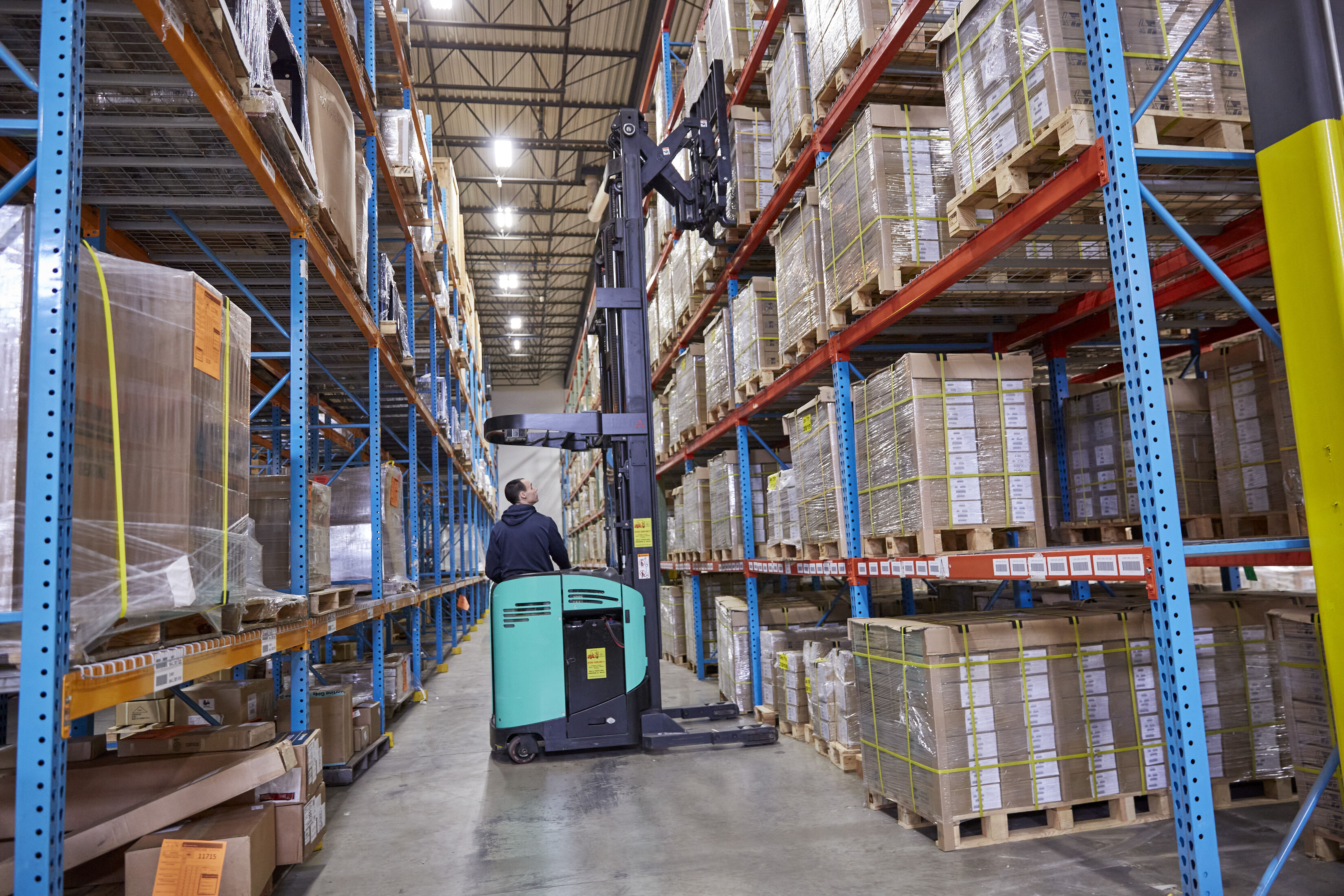
Domestic warehousing allows companies to import in bulk and then fulfill orders within the United States. This reduces per-unit duty costs and avoids surprises for consumers. Our North American warehouse network helps customers position inventory closer to major markets, lowering both transit times and costs.
Communicate Clearly with End Customers
Consumers may see higher prices or longer delivery times. Companies that are upfront about these changes and offer alternatives, such as U.S.-based inventory, will protect customer loyalty.
Partner with 3PLs Offering Flexible Fulfillment Models
Forward-looking logistics providers are responding with new services such as shared warehousing, flexible fulfillment, and duty-inclusive options. At Gebrüder Weiss, we are collaborating with customers to design supply chain models that transform this regulatory change into a growth opportunity.
Looking Ahead at U.S. De Minimis Elimination
Although legal challenges may continue, the reality is that the de minimis era has ended. Businesses must now treat every shipment as a full customs entry, with all the documentation and costs that come with it. For some, this will be a difficult adjustment. For others, it will be an opportunity to build a stronger, more resilient supply chain.
We encourage our customers to act quickly. Those who adapt now will be best positioned to protect margins, maintain service levels, and compete effectively. At Gebrüder Weiss, we are committed to guiding our customers through this transition with customs expertise, warehousing solutions, and end-to-end logistics services.
Contact us today to learn how we can support your business as you adapt to these new requirements.
