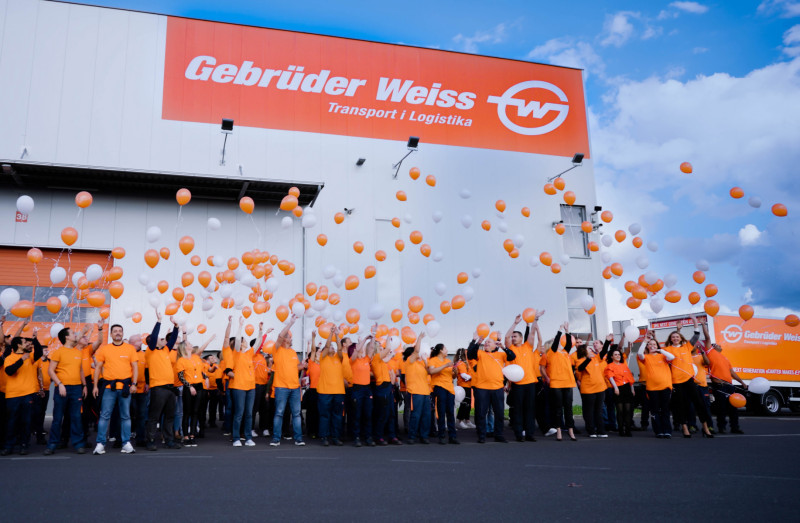





25 Years of Gebrüder Weiss in Croatia: Strong Growth and Positive Outlook
E-commerce and tourism remain key growth drivers in Croatia / Logistics provider has invested over 35 million euros since 2000.
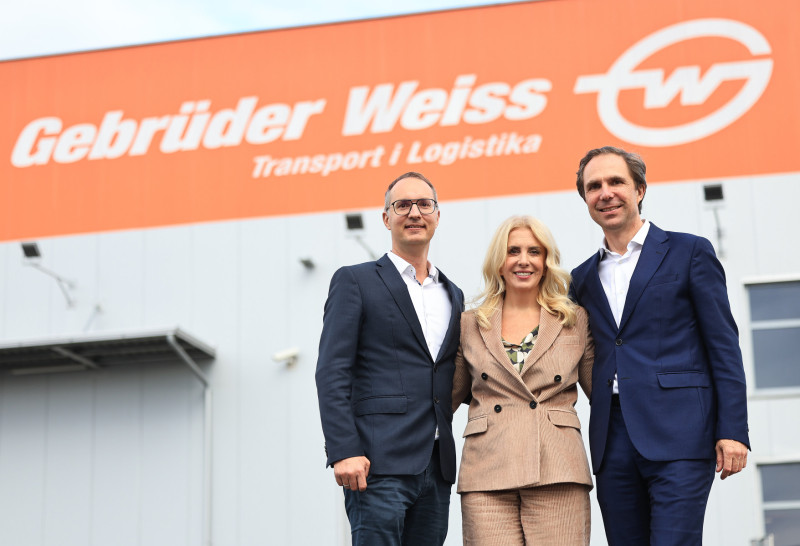
Twenty-five years ago, Gebrüder Weiss opened its first branch in Croatia, just as the country was beginning its economic transformation. Today, the international logistics company looks back on this journey with pride. “We recognized Croatia’s potential early on, and that foresight has paid off. The country’s economic development since joining the EU, along with its integration into the Schengen area and the Eurozone, have been decisive catalysts for our business,” says Wolfram Senger-Weiss, CEO of Gebrüder Weiss, on the occasion of the company’s anniversary.
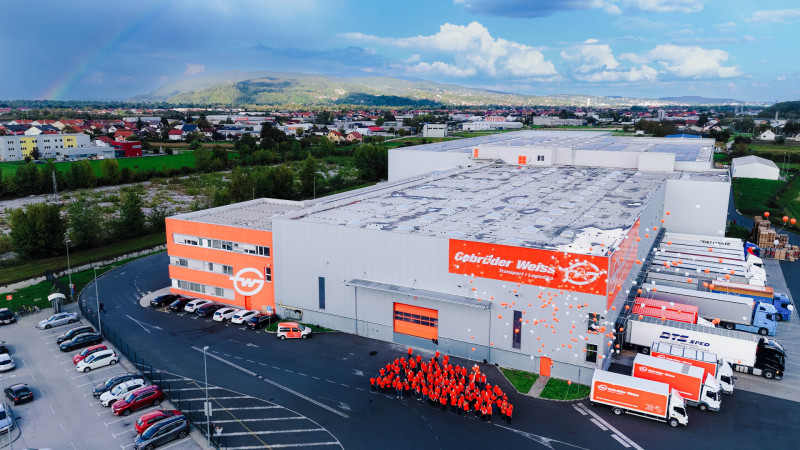
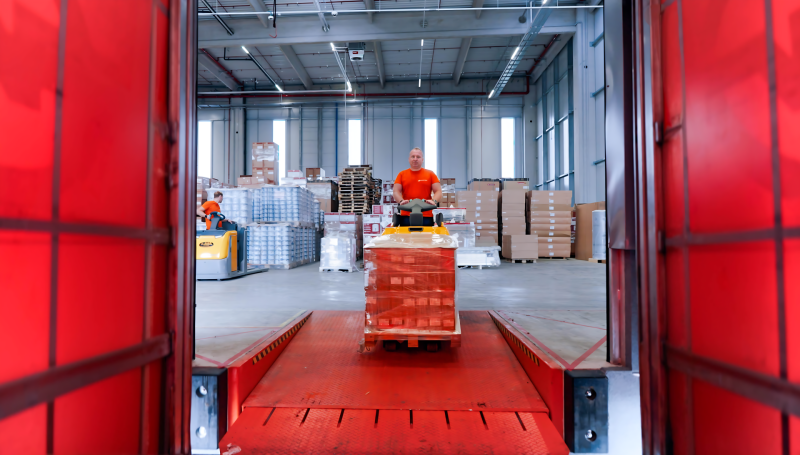
Since entering the Croatian market in 2000, Gebrüder Weiss has consistently invested in infrastructure, digitalization, and the expansion of its service portfolio. With three locations in Zagreb, Rijeka, and Split, the company offers comprehensive solutions in land transport, logistics solutions, and air & sea freight. Established in 2019, the logistics terminal at its Zagreb headquarters has recently been expanded, increasing total capacity to more than 20,000 square meters. This expansion addresses rising customer demand in both international and domestic freight forwarding.
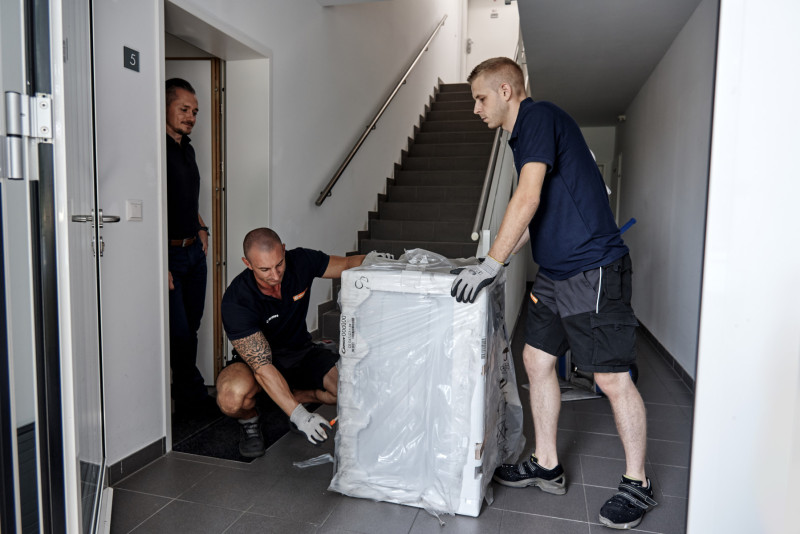
Fueled by the e-commerce boom, the home delivery segment has grown particularly rapidly, with demand for last-mile delivery remaining especially strong across Croatia’s Adriatic coast tourism hotspots. To meet this need, an additional cross-docking facility is currently in planning near Split (Dalmatia).
“Croatia not only offers a strategically advantageous location for freight flows between the EU and the Western Balkans, but also provides an attractive investment climate. With access to major Adriatic ports such as Rijeka, Koper, and Trieste, and supported by solid transport infrastructure, Croatia is a high-performing logistics hub with significant growth potential for multimodal transport,” says Thomas Schauer, Regional Manager for Central and Southeast Europe at Gebrüder Weiss. Going forward, Croatia is expected to play an even greater role as a transit hub for shipments to neighboring countries.
Modern, Digital, and Sustainable Logistics Solutions
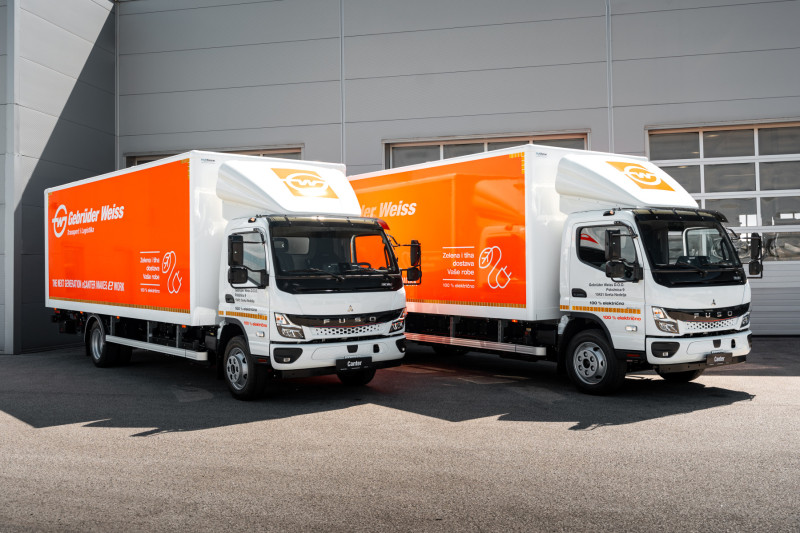
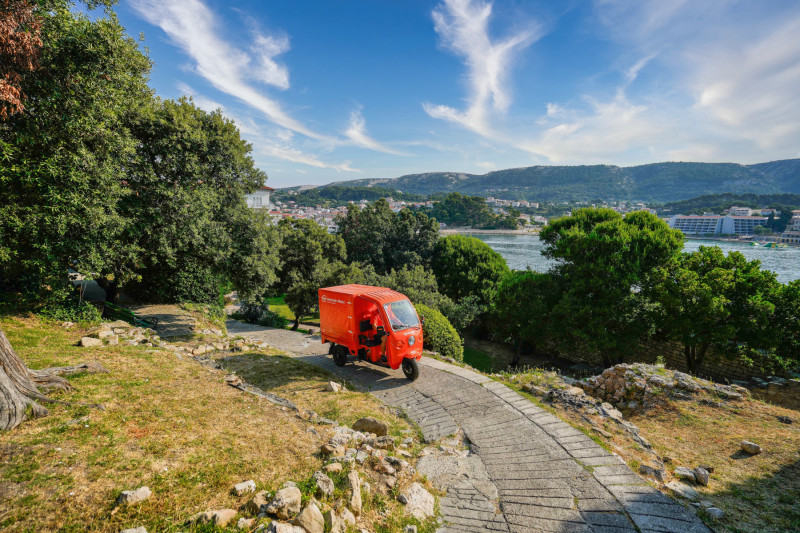
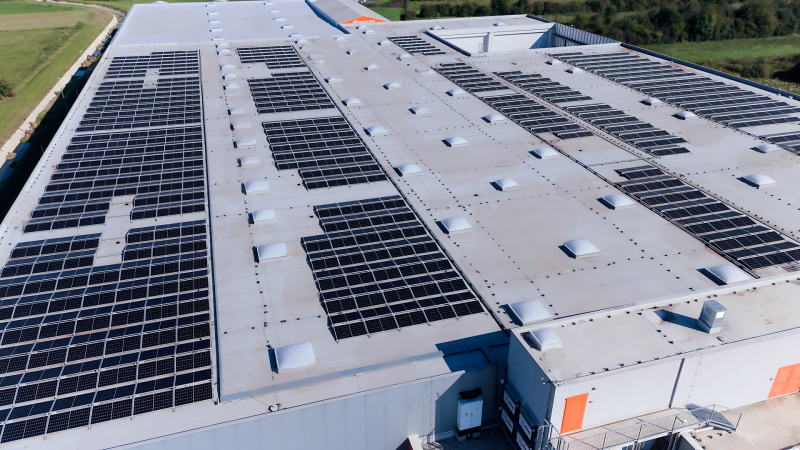
To ensure long-term growth, Gebrüder Weiss is also combining economic performance with ecological responsibility in Croatia. This includes efficient building and energy management systems powered by photovoltaic systems and heat pumps, as well as further expansion of e-mobility. Currently, five electric vans are in operation in Zagreb, while two electric cargo tricycles serve the islands of Rab and Lošinj.
In addition, investments in digital services, automated processes, and workforce development continue to strengthen Gebrüder Weiss’s market position in Croatia. “Our goal is to deliver modern, digital, and sustainable logistics solutions to our customers while also creating attractive career opportunities in the region,” says Barbara Bujačić, Country Manager of Gebrüder Weiss Croatia.
Gebrüder Weiss Croatia – At a Glance
- Established: 2000
- Annual revenue 2024: 34 million euros (2023: 31 million euros)
- Employees: 192 (FTE)
- Logistics area: 24,000 square meters
- Customers: industries include high-tech, automotive, consumer goods, and chemicals
- Total investment (2000–2025): over 35 million euros
- Latest investment: Expansion of logistics terminal at Zagreb headquarters (3 million euros)
About Gebrüder Weiss
Gebrüder Weiss Holding AG, based in Lauterach, Austria, is a globally operative full-service logistics provider with about 8,600 employees at 180 company-owned locations. The company generated revenues of 2.71 billion euros in 2024. Its portfolio encompasses transport and logistics solutions, digital services, and supply chain management. The twin strengths of digital and physical competence enable Gebrüder Weiss to respond swiftly and flexibly to customers’ needs. The family-run organization – with a history going back more than half a millennium – has implemented a wide variety of environmental, economic, and social initiatives. Today, it is also considered a pioneer in sustainable business practices. www.gw-world.com